Offshore means a long run, big fish and some days you catch nothing. Inshore means steady action, smaller fish and flatter water. We run both, so here is the straight comparison rather than a pitch for the more expensive one.
We run both trips, which means we have no reason to talk you into the expensive one. Plenty of people book offshore because it sounds like the serious choice and then spend six of the eight hours wishing they were somewhere flatter. Others book inshore, catch a roosterfish, and never stop wondering what was out deep.
Here is the actual difference.
The short version
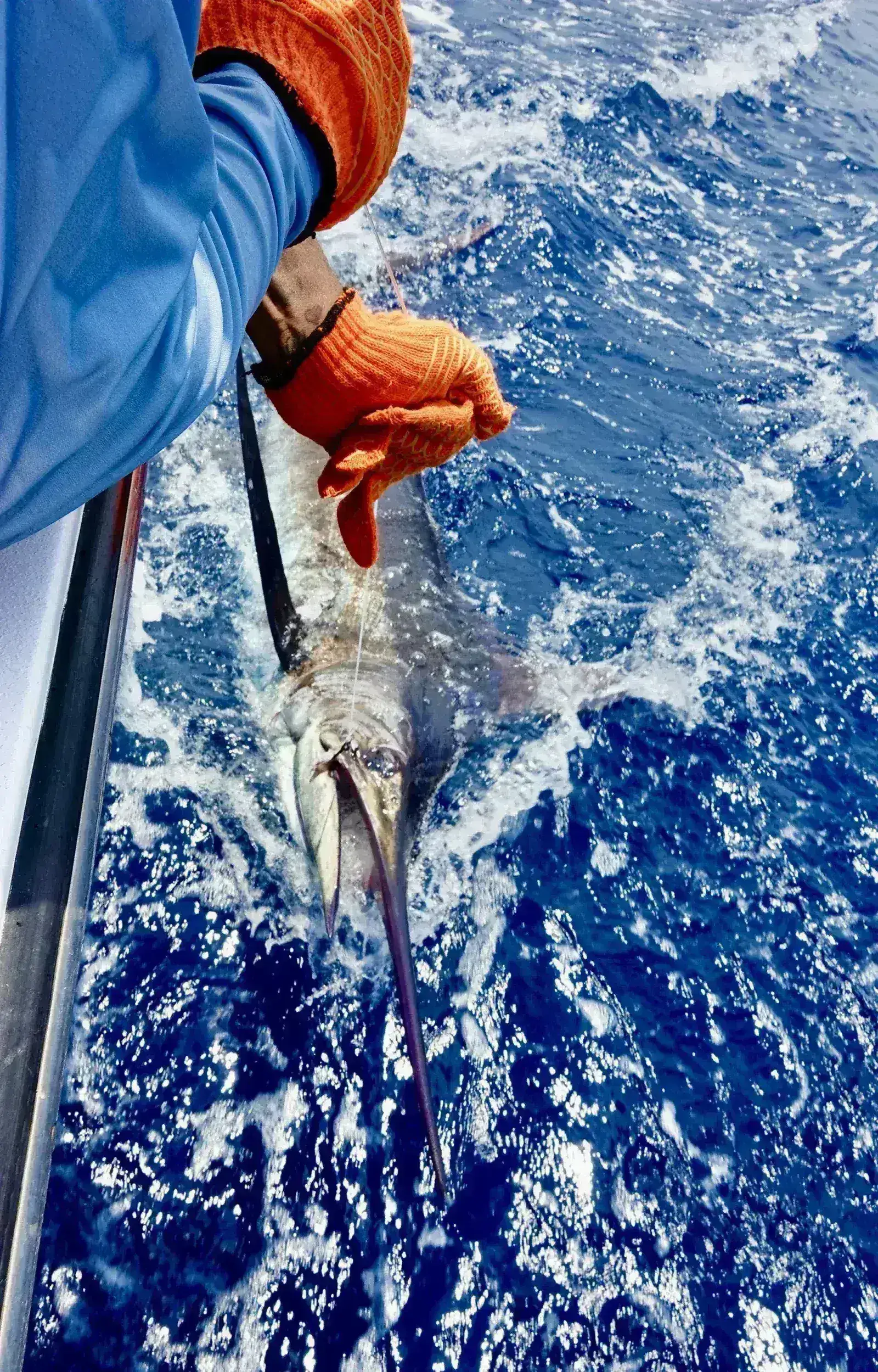
Offshore is eight hours, a long run to deep water, and a shot at sailfish, marlin, dorado and yellowfin tuna. Big fish, big water, and some days you get nothing. That is genuinely part of the deal.
Inshore is four hours on the rock and reef close to the coast, targeting roosterfish, snapper, snook, grouper and jacks. Smaller fish, steadier action, flatter water, back before lunch.
Neither is the better trip. They are different days.
The fish
This is the part that decides it for most people, because you cannot get offshore species inshore. Sailfish and marlin live in deep water. No amount of skill fishes them up onto the rock.
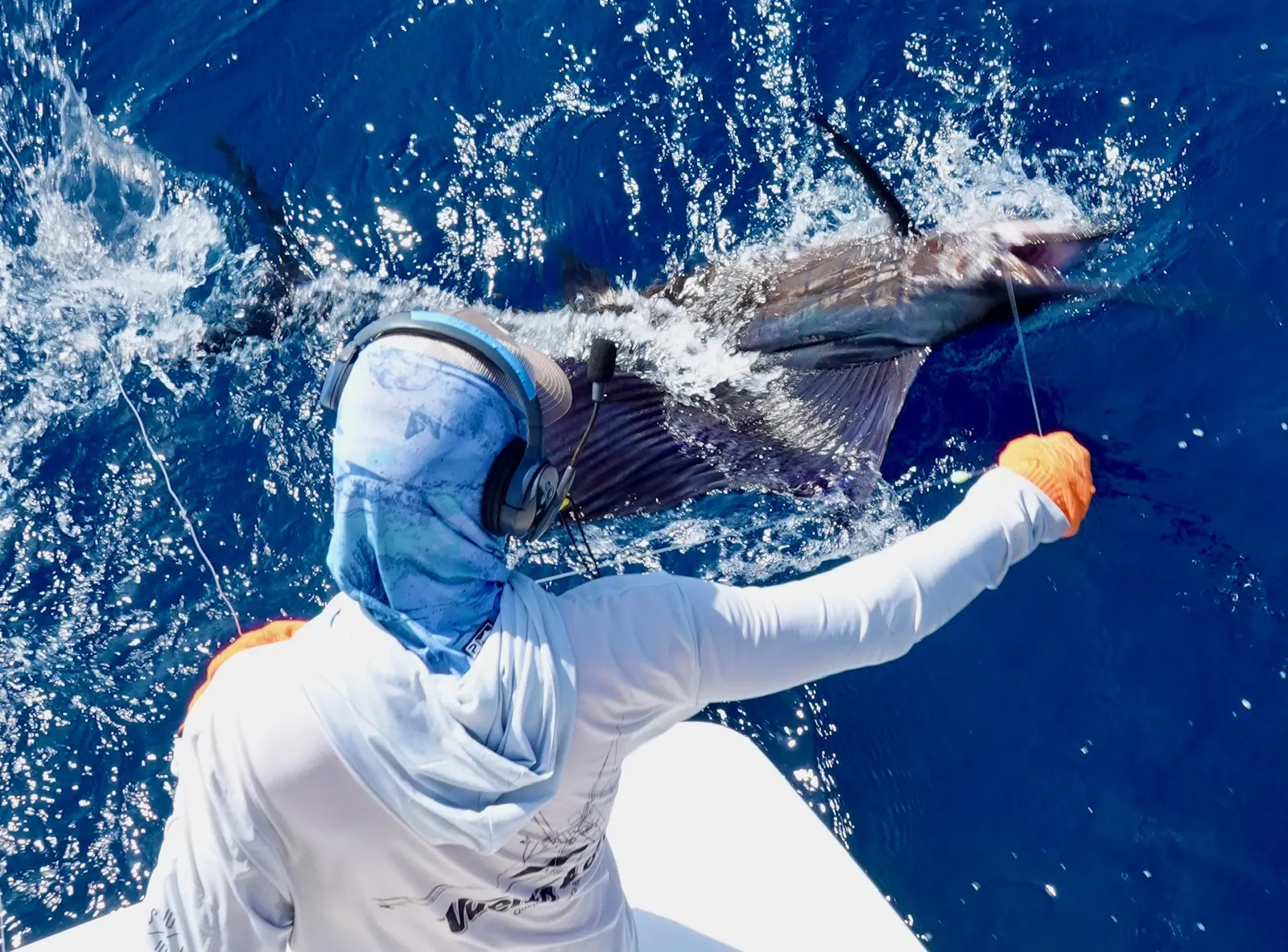
Offshore, December through April, billfish are the target and the numbers are genuinely good. May through September the pattern shifts to dorado and yellowfin, which is a different kind of excellent day. Our month by month guide breaks the year down properly.
Inshore, the headline fish is the roosterfish, and the useful thing about it is that it holds all year. No season to plan around. Snapper, snook, grouper and jacks fill in alongside.
The water, and how you will feel
Nobody puts this in a brochure, so we will.
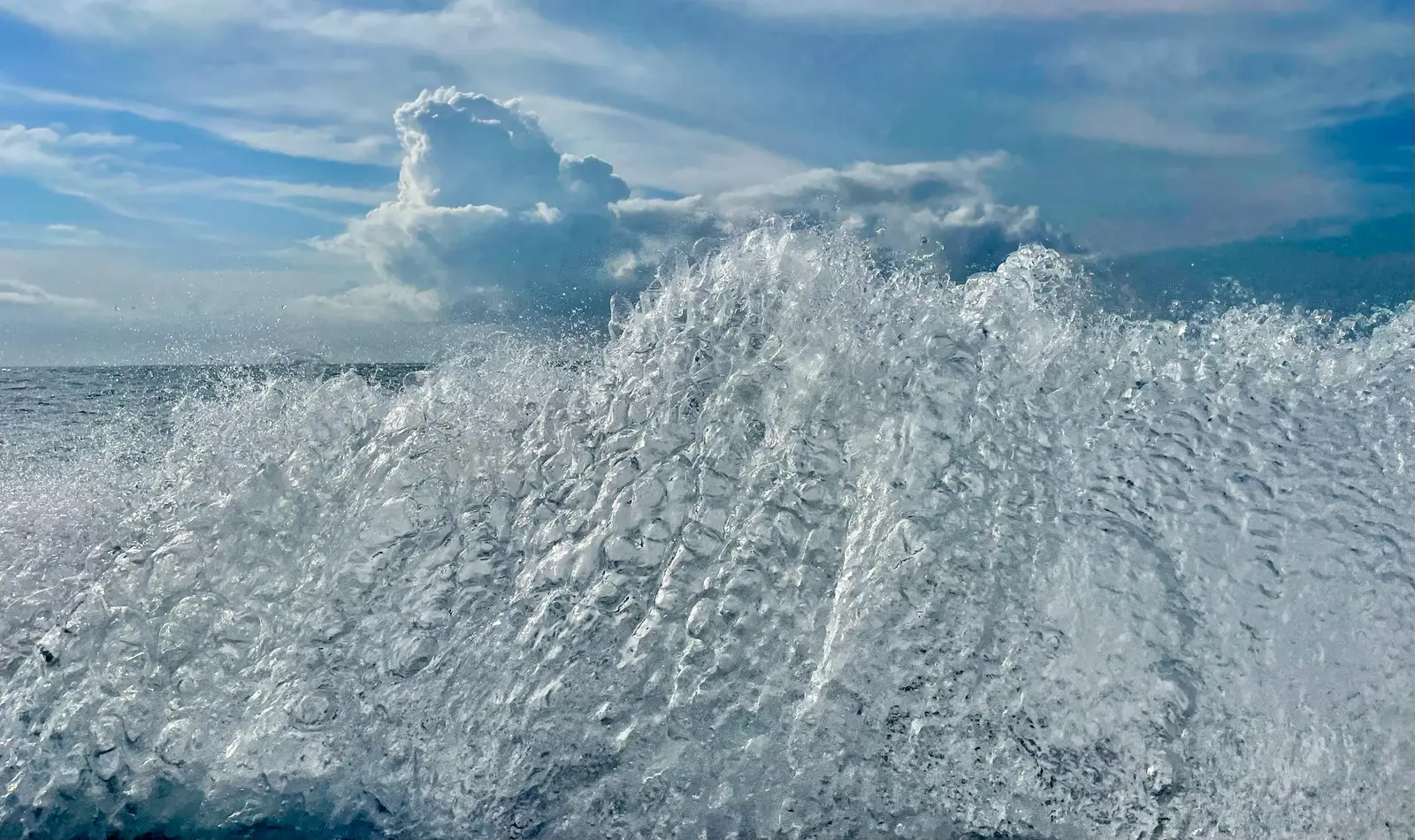
The run offshore takes you into open water where swell is normal. Most people are fine. Some people are not, and finding out an hour from the marina at the start of an eight hour day is a miserable way to learn. If anyone in your group is uncertain about boats, that is real information, not a minor detail.
Inshore stays close to the coast in the lee of the points. The water is usually flatter, you are never far from the marina, and four hours is a short enough day that a rough patch does not define the whole trip.
The cost, and the maths that surprises people
Charters are priced by the boat, not by the head. That single fact changes the answer depending on how many of you there are.
The full day offshore runs $3,000 plus 13% tax, covering up to five guests, with each additional guest $80 up to a maximum of ten. The half day inshore is $1,250 for up to six, again $80 per extra guest to a maximum of ten.
Because the boat price is fixed, offshore gets dramatically cheaper per person as the group grows. Two anglers splitting a full day are each paying a lot. Six anglers splitting the same boat are paying a fraction of that for exactly the same trip. If you are a couple, inshore is usually the better value. If you are a group of six, the offshore day suddenly looks very reasonable.
Our full cost breakdown covers what is included and what is not. Both trips need a Costa Rican fishing license from INCOPESCA, which we arrange before departure and explain in the license page.
So which one
Book inshore if: you are two people, you have kids along, anyone is unsure about seasickness, you would rather catch more fish than bigger fish, you want the afternoon free, or you specifically want a roosterfish.
Book offshore if: you came for billfish or big tuna, you have a group to split the cost, you are comfortable with a long day where the action comes in bursts, and you accept that some days the ocean says no.
Book both if you are here for more than a few days. Plenty of guests do a half day early in the trip to get everyone comfortable on the water, then a full day later once they know how the group handles it. It is the sensible order.
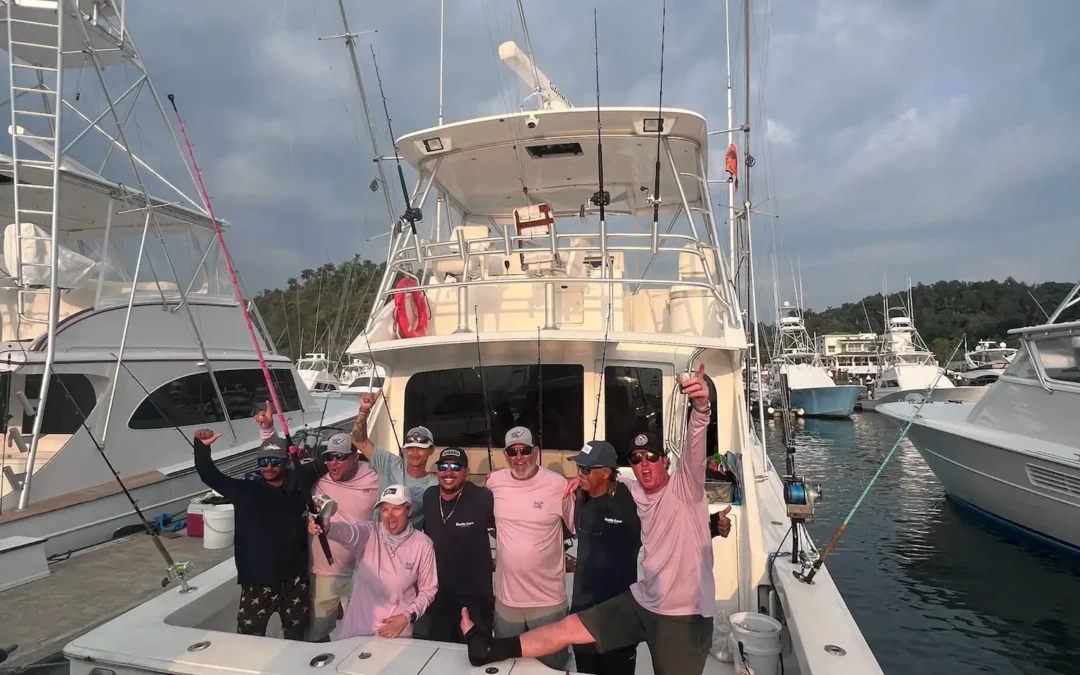
Both trips leave from Marina Pez Vela aboard the same 45-foot Viking. If you want the species detail, the inshore headline act is covered in our roosterfish guide and the offshore calendar is in when to fish Quepos.
Still not sure
Tell us who is coming, how many, and what they have done before. We will tell you which trip actually suits, including when the answer is the cheaper one. Reach us through the contact form or on WhatsApp.
Ready to get out there?
Every charter runs from Marina Pez Vela in Quepos aboard a 45-foot Viking with a local crew. Have a look at what we run, or ask us a question contact.